Employee Experience

Employee Benefits Package
An employee benefits package is more than premium and deductible. Self-funded plans let you design the package around what your workforce actually needs.

An employee benefits package is more than premium and deductible. Self-funded plans let you design the package around what your workforce actually needs.

Five recommended podcasts for HR professionals on self-funded health insurance, captives, employee experience, and the future of employer-sponsored benefits.

Benefits advisors are critical to self-funded employer health insurance. Here’s how to tell a good advisor from a great one and what to expect at renewal.
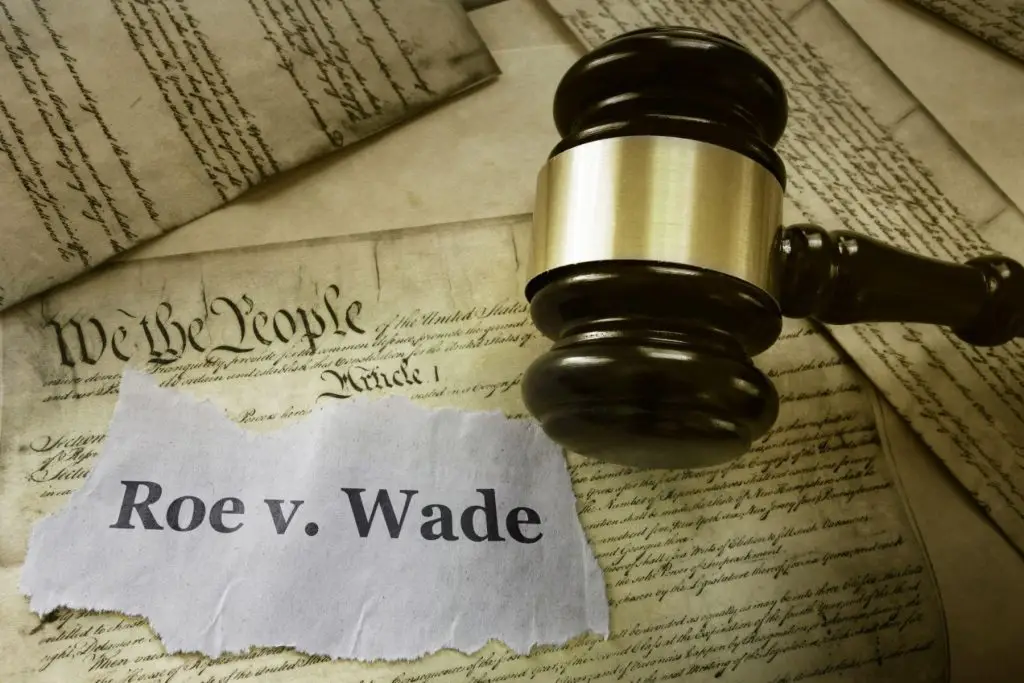
The SCOTUS reversal of Roe v. Wade has direct implications for employer benefits. Here’s what self-funded plans should review around coverage and access.

Group captive health insurance costs split into fixed and variable components. Here’s how to think about both when budgeting and explaining the model to leadership.

Roundstone was named a Northeast Ohio Top Workplace, recognized for employee experience, culture, and the way the team supports captive members and advisors.

An advisor shares how self-funding benefits clients: real claims transparency, real savings, and the strategic conversations that build long-term relationships.

Is a self-funded captive plan right for you? Use this checklist to evaluate your workforce, claims history, and cost containment

Six things every benefits advisor should know about self-funded health insurance, group captives, and how to bring real cost containment

Watching cost containment matters more than ever. Here’s how the flexibility of a self-funded plan delivers dramatic savings without compromising

Roundstone Insurance makes your transition to self-funded health insurance savings uncomplicated through a guided onboarding process and aligned partners.

The new normal in employer healthcare blends telehealth, remote work, and rising claims volatility. Self-funded plans adapt faster than fully

Provider network choice shapes employee care, plan costs, and out-of-pocket spend. Here’s how self-funded employers pick the right one.

Pharmacy costs are rising faster than any line item in your health plan. Here’s how to choose a PBM that

Per-employee-per-year (PEPY) cost is the truest benchmark for whether your health plan is competitive. Here’s how to use it to

Your pharmacy benefit manager makes or breaks drug spend. Here’s how self-funded employers choose a PBM aligned with their interests,

A third-party administrator (TPA) is the backbone of any self-funded plan. Here’s how a TPA processes claims, manages eligibility, and

Finding the right TPA shapes claims accuracy, employee experience, and total spend. Here are 8 secrets self-funded employers use to

Wellness programs deliver measurable ROI through reduced claims, lower absenteeism, and stronger productivity. See how self-funded employers track and prove

For most CFOs, healthcare costs now eat directly into profitability. This Roundstone leadership study shows where the spend goes and

Healthcare cost containment finds waste, removes it, and keeps outcomes intact. Self-funded plans give you the claims data to do

Self-funding gives you the control, claims visibility, and flexibility to attack the cost drivers that fully insured plans actively hide

Effective cost containment starts with claims data, clinical care management, pharmacy optimization, and direct primary care partnerships working as one

Real healthcare cost savings come from claims transparency, smart vendor choices, and proactive clinical management. Self-funding makes all three possible.

If renewal season has you bracing for a double-digit increase, it’s time to look at self-funding. Here’s how the model

Renewal season is the moment benefit advisors prove their value. Here’s how to prepare with claims data, scenario modeling, and

Strategic incentives, education, and communication can increase wellness program engagement by 40-60%. Here’s how self-funded employers design programs that actually

Employee healthcare is the largest controllable line item on most P&Ls. Self-funded plans give you the data to manage spend

The best health insurance for employees isn’t always the lowest sticker price. Self-funding aligns cost, coverage, and care for long-term

Culturally competent healthcare improves outcomes and reduces preventable claims. Self-funded employers can choose vendors and programs that actually serve their

Five recommended reads on workplace wellness, from behavioral health to chronic disease management, for HR leaders building healthier, more engaged
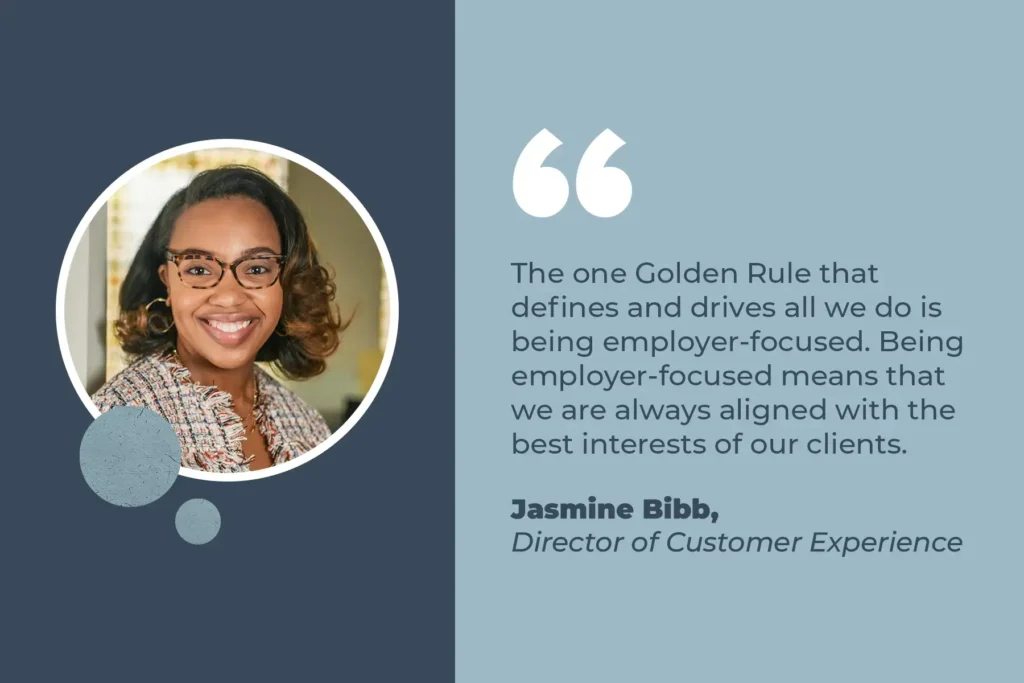
Customer experience at Roundstone is anchored in responsive service, proactive claims navigation, and the team that supports employers through every