Roundstone Announces Medical Captive Forum Mcf In Cleveland On May 18 19 2022
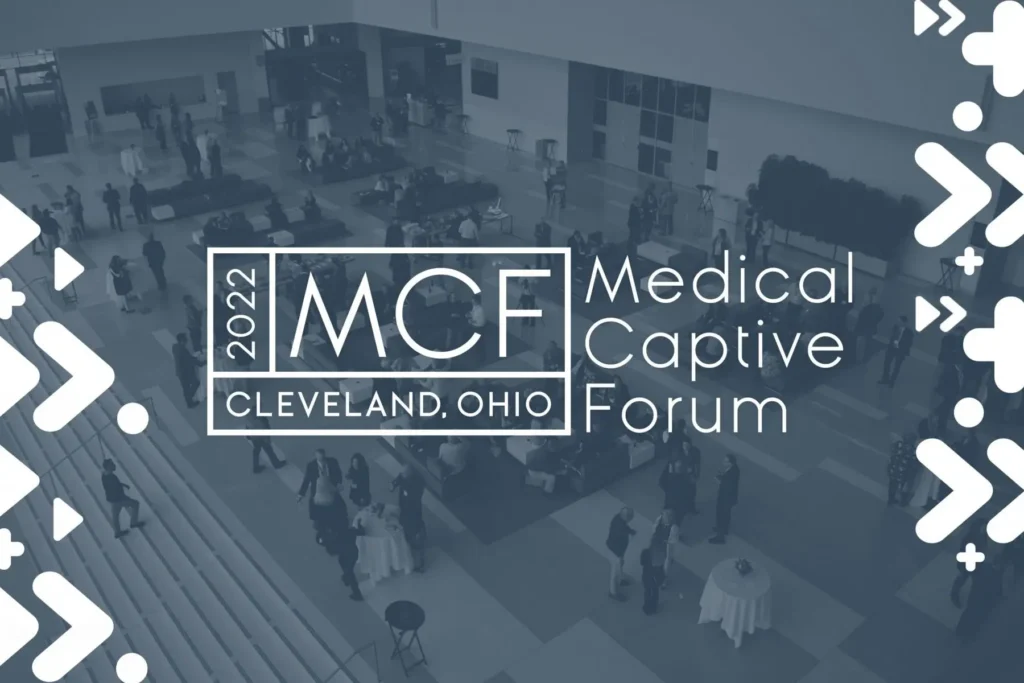
Roundstone announced its Medical Captive Forum on May 18-19, 2022 in Cleveland, bringing employers and advisors together for two days of self-funded health education.

Explore our blog resources to help employers and advisors understand the value of captive insurance.

Roundstone announced its Medical Captive Forum on May 18-19, 2022 in Cleveland, bringing employers and advisors together for two days of self-funded health education.


With fully insured plans, you can’t change coverage mid-year or pick vendors. Group captives give employers real freedom of choice in plan design.

Roundstone captive insurance members continue to buck market trends, holding cost increases below industry averages through claims transparency and aligned partners.

Roundstone launched a data transparency tool that helps self-funded employers pinpoint high-impact areas for cost savings inside their claims data.

Browse the year’s top blogs: trends influencing health insurance costs, what to expect at renewal, understanding stop loss, and MCF 2021: Raising the Game.

Roundstone announces a record-breaking 2021, with significant growth in the captive program, advisor network, and team supporting self-funded mid-market employers.

Group captive insurance was built as a structural alternative to fully insured health plans. Here’s how it gives mid-market employers

Small business health insurance doesn’t have to mean fixed plans and surprise renewals. Group captive self-funding makes the model accessible

Customer success in a self-funded plan means proactive claims management, employee navigation, and quarterly business reviews that turn data into

Mental health is the fastest-growing claims category for most employers. Self-funded plans give you the visibility to address behavioral health

Behavioral and mental health costs are climbing fast. Here’s how self-insured employers use plan design and clinical care to control

Why self-funding? Claims transparency, vendor flexibility, surplus return, and structural protection against the volatility that fully insured plans actively hide.

Provider network choice shapes employee care, plan costs, and out-of-pocket spend. Here’s how self-funded employers pick the right one.

Pharmacy costs are rising faster than any line item in your health plan. Here’s how to choose a PBM that

Per-employee-per-year (PEPY) cost is the truest benchmark for whether your health plan is competitive. Here’s how to use it to

Your pharmacy benefit manager makes or breaks drug spend. Here’s how self-funded employers choose a PBM aligned with their interests,

A third-party administrator (TPA) is the backbone of any self-funded plan. Here’s how a TPA processes claims, manages eligibility, and

Finding the right TPA shapes claims accuracy, employee experience, and total spend. Here are 8 secrets self-funded employers use to

Rising employee benefit costs threaten your bottom line. Measuring claims and healthcare data shows where your highest spend lives and

Lowering cost sharing in your health plan can reduce overall employee healthcare costs while improving access to higher-quality care. Here’s

Clinical care management lowers healthcare costs by guiding employees through complex care, catching issues early, and steering them to higher-quality

Catastrophic diagnoses can blow up a self-funded plan budget. Here are cost containment strategies, from centers of excellence to case

Managing health insurance costs takes more than annual renewals. Self-funded employers use claims data, vendor strategy, and care management every

Captives do it better on data transparency. Members get full claims visibility, not the aggregated, sanitized data fully insured carriers

If renewal season has you bracing for a double-digit increase, it’s time to look at self-funding. Here’s how the model

Renewal season is the moment benefit advisors prove their value. Here’s how to prepare with claims data, scenario modeling, and

Strategic incentives, education, and communication can increase wellness program engagement by 40-60%. Here’s how self-funded employers design programs that actually

Employee healthcare is the largest controllable line item on most P&Ls. Self-funded plans give you the data to manage spend

The best health insurance for employees isn’t always the lowest sticker price. Self-funding aligns cost, coverage, and care for long-term

Culturally competent healthcare improves outcomes and reduces preventable claims. Self-funded employers can choose vendors and programs that actually serve their

Five recommended reads on workplace wellness, from behavioral health to chronic disease management, for HR leaders building healthier, more engaged

Customer experience at Roundstone is anchored in responsive service, proactive claims navigation, and the team that supports employers through every
Self-funding means an employer pays for their employees’ healthcare claims directly instead of paying fixed premiums to an insurance carrier.
A medical group captive is a self-funded model where small and mid-sized employers join together to access financial advantages, share risk and gain greater stability.
Stop-loss insurance protects self-funded employers from large or unexpected claims. It caps financial risk so one high-cost event doesn’t significantly impact your overall healthcare spend.
Health insurance costs rise due to increasing healthcare prices, higher utilization, and lack of transparency in traditional models. Learn how self- funding through a captive can help offset these trends.
Cost containment includes strategies that reduce unnecessary healthcare spending while maintaining quality care. Read how tactics like claims analysis, preventative care, and pharmacy cost management can reduce spend.
Join us live or watch pre-recorded discussions, expert panels, and educational sessions designed for employers and advisors.
Hear candid conversations and real-world insights from industry experts shaping the future of healthcare funding.
Explore in-depth guides covering captive insurance, healthcare costs, and strategies for long-term savings.
Stay informed with monthly insights on captive insurance, cost control, and smarter benefit strategies.