
Plan Design & Partners

Not All Group Health Plans Are Created Equal
Not all group health plans are created equal. Plan design, network choice, and partner alignment separate the plans that control cost from those that don’t.

Not all group health plans are created equal. Plan design, network choice, and partner alignment separate the plans that control cost from those that don’t.

Plan documents by the numbers: what self-funded employers should look for in summary plan descriptions, stop loss policies, and TPA contracts.

Reference-based pricing (RBP) only works with employee education and full claims transparency. Here’s how to set up both before rolling out the program.

Case study: Roundstone’s CSI team helped one employer save $40,000 by catching billing errors and overcharges that traditional claims review missed entirely.

Roundstone’s Cost Savings Investigators (CSI) team digs into claims data to find waste, billing errors, and overcharges. Real dollars stay in the plan.

Roundstone’s 2018 Medical Captive Forum brought together employers and advisors for two days of education, peer learning, and self-funded health insurance strategy.

Captive insurance changes how employers absorb and manage healthcare costs. Group medical captives turn unpredictable claims into a controllable, transparent

A medical captive advisor helps employers evaluate self-funded captives, compare partners, and design a plan that protects against catastrophic claims

Level funding looks like self-funding from a distance but lacks claims transparency, vendor flexibility, and surplus return. Here are ten

Prescription drug prices are the fastest-growing cost in employer benefits. Self-funded plans give you the visibility and tools to bend

Group captives let employers share risk, return unused premium, and gain claims transparency. Here’s how that structure translates into real

Hidden fees in employee benefits plans quietly bleed your budget. Here are the top five charges to identify and renegotiate

Telehealth coverage inspires trust because it removes friction from accessing care. Self-funded plans can prioritize and price telehealth on their

Aligning incentives between employer, employees, and providers is the foundation of a healthier, cost-effective benefits plan. Here’s how to design

Is your healthcare benefits plan sustainable? Year-over-year cost increases say otherwise. Self-funded plans give employers the levers to bend the

A group captive insurance plan involves the employer, TPA, PBM, stop loss carrier, and advisor. Here’s the who’s who and

Q&A with Roundstone founder Mike Schroeder on cost-saving measures employers can use right now to take control of their health

Wellness programs deliver measurable ROI through reduced claims, lower absenteeism, and stronger productivity. See how self-funded employers track and prove

For most CFOs, healthcare costs now eat directly into profitability. This Roundstone leadership study shows where the spend goes and

Healthcare cost containment finds waste, removes it, and keeps outcomes intact. Self-funded plans give you the claims data to do

Self-funding gives you the control, claims visibility, and flexibility to attack the cost drivers that fully insured plans actively hide

Effective cost containment starts with claims data, clinical care management, pharmacy optimization, and direct primary care partnerships working as one

Real healthcare cost savings come from claims transparency, smart vendor choices, and proactive clinical management. Self-funding makes all three possible.

If renewal season has you bracing for a double-digit increase, it’s time to look at self-funding. Here’s how the model

Renewal season is the moment benefit advisors prove their value. Here’s how to prepare with claims data, scenario modeling, and

Strategic incentives, education, and communication can increase wellness program engagement by 40-60%. Here’s how self-funded employers design programs that actually

Employee healthcare is the largest controllable line item on most P&Ls. Self-funded plans give you the data to manage spend

The best health insurance for employees isn’t always the lowest sticker price. Self-funding aligns cost, coverage, and care for long-term

Culturally competent healthcare improves outcomes and reduces preventable claims. Self-funded employers can choose vendors and programs that actually serve their

Five recommended reads on workplace wellness, from behavioral health to chronic disease management, for HR leaders building healthier, more engaged
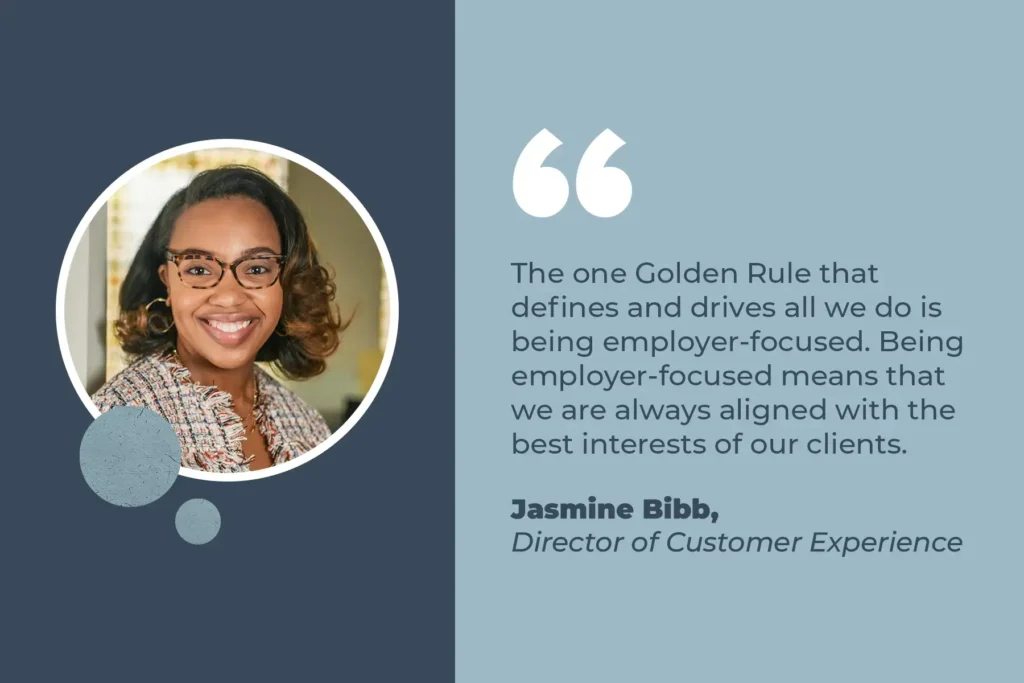
Customer experience at Roundstone is anchored in responsive service, proactive claims navigation, and the team that supports employers through every