Funding Basics

Is Healthcare Unaffordable
Healthcare feels unaffordable because the cost is hidden, claims data is gated, and incentives are misaligned. Self-funding pulls back the curtain on every dollar.

Healthcare feels unaffordable because the cost is hidden, claims data is gated, and incentives are misaligned. Self-funding pulls back the curtain on every dollar.

Roundstone’s top ten 2023 resources on self-funded health insurance, covering renewals, stop loss, captives, employee experience, and pharmacy strategy.

Self-funded health plans pay off when employers commit to a long-term view, riding through short-term claims volatility to capture compounding cost savings.

Finding the best stop loss captive for your employee health plan comes down to underwriting, claims transparency, surplus return, and partner alignment.
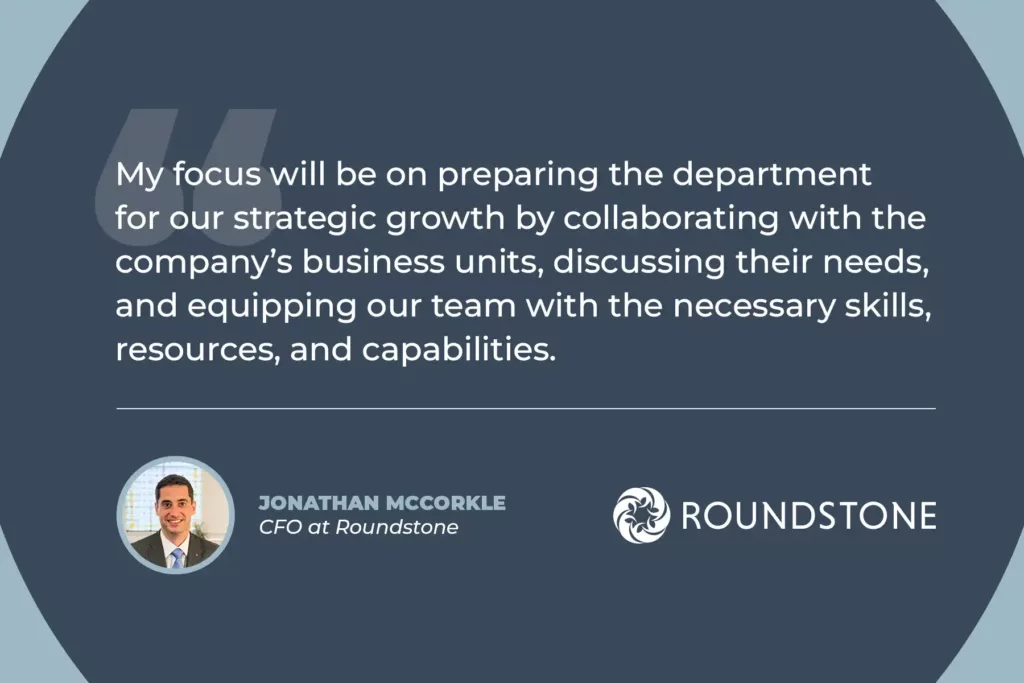
Roundstone announced the appointment of a new Chief Financial Officer to support continued growth and expansion of the group captive program.

Emerging trends in prescription costs, GLP-1s, specialty biologics, and PBM consolidation, are reshaping how self-funded employers budget for pharmacy spend.

A self-funded health plan can free up cash flow you didn’t know you had. Here’s how the model shifts working
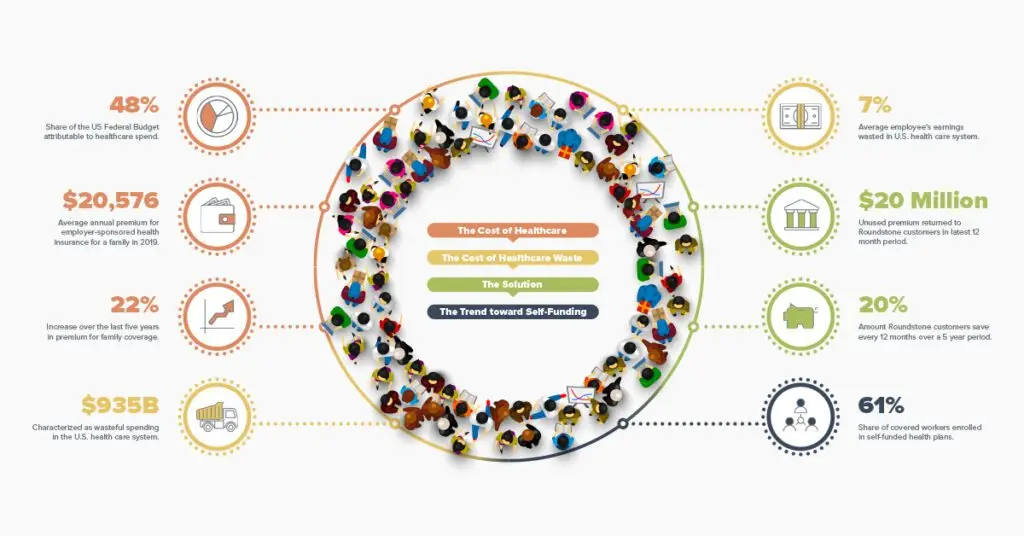
The most popular group health insurance program might surprise you. Self-funded and group captive plans now drive more mid-market employer

Consumerism in healthcare means giving employees the tools and incentives to act like consumers. Here’s how self-funded plans build that

Employee benefit advisors grow and retain business by leading with cost containment. Here are four strategies that win renewals and

Self-funded health plans are a safer bet than employers expect. Stop loss, captive structure, and claims transparency reduce risk while

Roundstone unveiled a new enhanced website built to help employers and advisors explore self-funded health insurance, captives, and cost containment

Provider network choice shapes employee care, plan costs, and out-of-pocket spend. Here’s how self-funded employers pick the right one.

Pharmacy costs are rising faster than any line item in your health plan. Here’s how to choose a PBM that

Per-employee-per-year (PEPY) cost is the truest benchmark for whether your health plan is competitive. Here’s how to use it to

Your pharmacy benefit manager makes or breaks drug spend. Here’s how self-funded employers choose a PBM aligned with their interests,

A third-party administrator (TPA) is the backbone of any self-funded plan. Here’s how a TPA processes claims, manages eligibility, and

Finding the right TPA shapes claims accuracy, employee experience, and total spend. Here are 8 secrets self-funded employers use to

Wellness programs deliver measurable ROI through reduced claims, lower absenteeism, and stronger productivity. See how self-funded employers track and prove

For most CFOs, healthcare costs now eat directly into profitability. This Roundstone leadership study shows where the spend goes and

Healthcare cost containment finds waste, removes it, and keeps outcomes intact. Self-funded plans give you the claims data to do

Self-funding gives you the control, claims visibility, and flexibility to attack the cost drivers that fully insured plans actively hide

Effective cost containment starts with claims data, clinical care management, pharmacy optimization, and direct primary care partnerships working as one

Real healthcare cost savings come from claims transparency, smart vendor choices, and proactive clinical management. Self-funding makes all three possible.

If renewal season has you bracing for a double-digit increase, it’s time to look at self-funding. Here’s how the model

Renewal season is the moment benefit advisors prove their value. Here’s how to prepare with claims data, scenario modeling, and

Sexual and reproductive health care access and education matter for employee outcomes and employer cost. Here’s how self-funded plans can

The Great Resignation reshaped what employees expect from their benefits. Here’s how employers should adapt plan design, communication, and total

Employee wellness program trends are shifting toward chronic disease management, behavioral health, and digital tools. Here’s what works inside self-funded

An employee benefits package is more than premium and deductible. Self-funded plans let you design the package around what your

Employee benefits education is the highest-leverage way to encourage self-advocacy and lower total plan spend. Here’s what to teach and

The pandemic permanently shifted employee health insurance expectations. Self-funded plans have adapted faster than fully insured ones to telehealth and