
Funding Basics

7 Obstacles to Affordable Health Insurance and 1 Great Solution
Seven structural obstacles keep affordable health insurance out of reach for most mid-market employers. One group captive solution removes nearly all of them.

Seven structural obstacles keep affordable health insurance out of reach for most mid-market employers. One group captive solution removes nearly all of them.

Group medical captive insurance lets small to mid-size companies share self-funded risk, return surplus, and gain control of skyrocketing healthcare expenses.

Group medical captive insurance pools risk across like-sized employers, returns unused premium, and gives members the claims transparency to control costs.

The Health Rosetta Summit brings together advisors, employers, and innovators choosing a better future for healthcare benefits through transparency and aligned design.

Self-funded doesn’t mean you’re on your own. The right captive partner, TPA, and clinical team turn self-funding into a fully supported employer strategy.

Managing health insurance costs takes more than annual renewals. Self-funded employers use claims data, vendor strategy, and care management every month.

Stop-loss insurance protects self-funded employers from catastrophic claims by pooling risk with similarly sized businesses through a group captive plan.

Twenty percent of employees drive eighty percent of healthcare costs. Self-funded plans give you the data to manage chronic conditions

Self-funded health insurance lets employers pay claims directly, capture savings when employees stay healthy, and see exactly where every dollar

Specialty drugs are the fastest-growing line item in employee benefits. A self-funded plan gives you the visibility and levers to

Budgeting a self-funded health plan means understanding fixed and variable costs. Here’s how to plan spend and unlock savings through

A group captive lets like-sized employers pool risk, share data, and capture savings together. It’s the structural alternative to fully

Provider network choice shapes employee care, plan costs, and out-of-pocket spend. Here’s how self-funded employers pick the right one.

Pharmacy costs are rising faster than any line item in your health plan. Here’s how to choose a PBM that

Per-employee-per-year (PEPY) cost is the truest benchmark for whether your health plan is competitive. Here’s how to use it to

Your pharmacy benefit manager makes or breaks drug spend. Here’s how self-funded employers choose a PBM aligned with their interests,

A third-party administrator (TPA) is the backbone of any self-funded plan. Here’s how a TPA processes claims, manages eligibility, and

Finding the right TPA shapes claims accuracy, employee experience, and total spend. Here are 8 secrets self-funded employers use to

You don’t always get what you pay for in healthcare. Bob Chrobak shows how higher cost doesn’t always mean better

Roundstone’s Cost Savings Investigators (CSI) team digs into claims data to find waste, billing errors, and overcharges. Real dollars stay

Late-stage cancer diagnoses are among the most expensive claims employers face. Here’s how early detection and plan design lower the

High-cost specialty drugs are reshaping employer pharmacy spend. Here are the ways self-funded employers save without restricting clinical access for

If renewal season has you bracing for a double-digit increase, it’s time to look at self-funding. Here’s how the model

Renewal season is the moment benefit advisors prove their value. Here’s how to prepare with claims data, scenario modeling, and

Strategic incentives, education, and communication can increase wellness program engagement by 40-60%. Here’s how self-funded employers design programs that actually

Employee healthcare is the largest controllable line item on most P&Ls. Self-funded plans give you the data to manage spend

The best health insurance for employees isn’t always the lowest sticker price. Self-funding aligns cost, coverage, and care for long-term

Culturally competent healthcare improves outcomes and reduces preventable claims. Self-funded employers can choose vendors and programs that actually serve their

Five recommended reads on workplace wellness, from behavioral health to chronic disease management, for HR leaders building healthier, more engaged
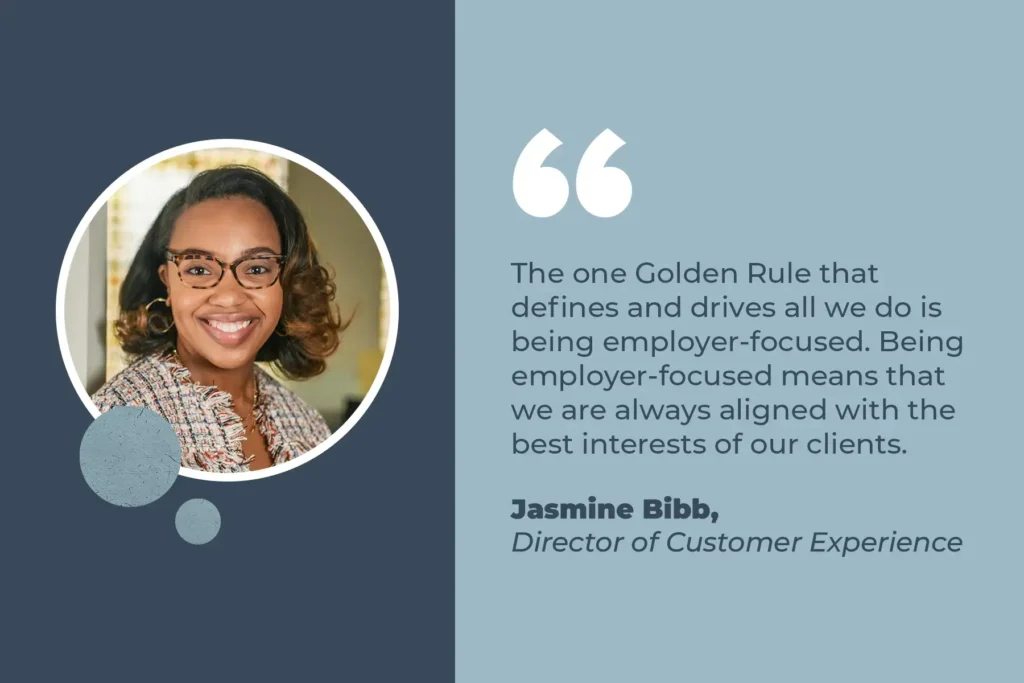
Customer experience at Roundstone is anchored in responsive service, proactive claims navigation, and the team that supports employers through every