Plan Design & Partners

How To Choose A Self Funded Provider Network
Provider network choice shapes employee care, plan costs, and out-of-pocket spend. Here’s how self-funded employers pick the right one.

Provider network choice shapes employee care, plan costs, and out-of-pocket spend. Here’s how self-funded employers pick the right one.

Pharmacy costs are rising faster than any line item in your health plan. Here’s how to choose a PBM that actually controls them.

Stop-loss insurance protects self-funded employers from catastrophic claims by pooling risk with similarly sized businesses through a group captive plan.

Twenty percent of employees drive eighty percent of healthcare costs. Self-funded plans give you the data to manage chronic conditions and cut spend.

Strategic incentives, education, and communication can increase wellness program engagement by 40-60%. Here’s how self-funded employers design programs that actually work.

Wellness programs deliver measurable ROI through reduced claims, lower absenteeism, and stronger productivity. See how self-funded employers track and prove the impact.

Self-funding comes with real challenges around cash flow, partner selection, and employee communication. Here’s how mid-market employers solve each one

Friends don’t let friends level fund. Here are ten reasons mid-market employers should skip level funding and move directly to

Roundstone’s captive solution for employee health benefits is verified by the Validation Institute for measurable cost savings and member outcomes.
Captive essentials: how self-funding inside a group captive lets mid-market employers pool risk, return surplus, and control healthcare spend over

Captive insurance still draws predictable objections from employers. Here are the top five and how to address them with data,
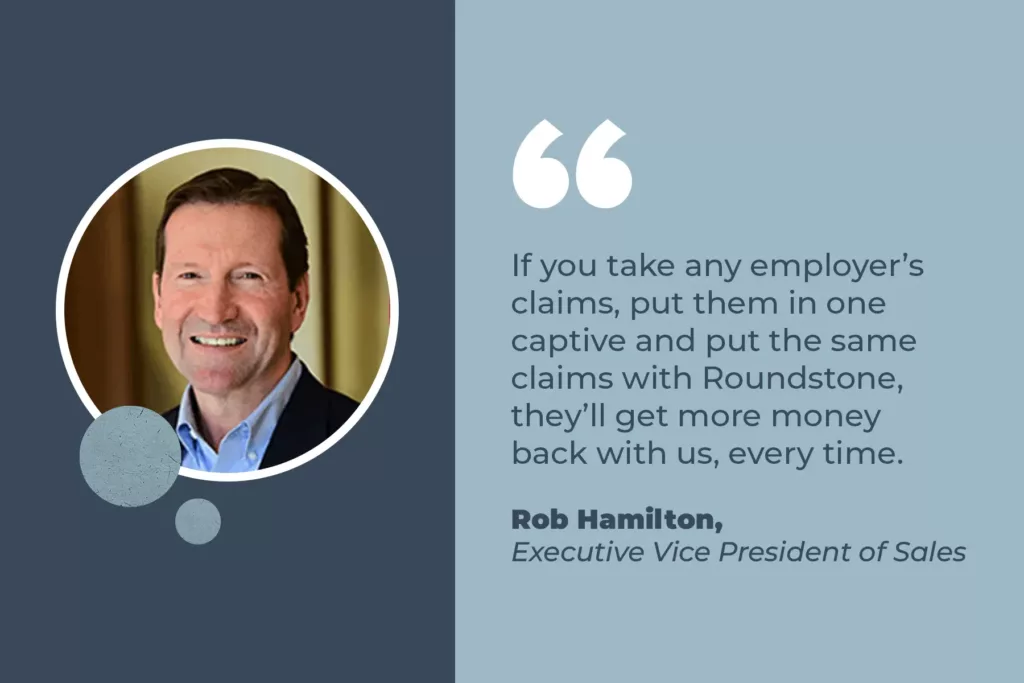
If you only know one group captive, here’s why Roundstone should be the one. Track record, structure, and alignment with
Provider network choice shapes employee care, plan costs, and out-of-pocket spend. Here’s how self-funded employers pick the right one.
Pharmacy costs are rising faster than any line item in your health plan. Here’s how to choose a PBM that

Per-employee-per-year (PEPY) cost is the truest benchmark for whether your health plan is competitive. Here’s how to use it to

Your pharmacy benefit manager makes or breaks drug spend. Here’s how self-funded employers choose a PBM aligned with their interests,

A third-party administrator (TPA) is the backbone of any self-funded plan. Here’s how a TPA processes claims, manages eligibility, and

Finding the right TPA shapes claims accuracy, employee experience, and total spend. Here are 8 secrets self-funded employers use to

Nurses are central to cost containment, quality of care, and patient outcomes. Here’s how self-funded plans put clinical expertise to

After a year of pandemic-driven change, here are the top five trends impacting health insurance costs and what self-funded employers

Nine practical ways employers can offset rising healthcare costs, from PBM strategy to centers of excellence, claims audits, and self-funded

Employee health drives healthcare cost. Well-being programs invest upfront in prevention and return compounding savings to self-funded plans over time.

Lowering prescription drug costs takes more than PBM negotiation. Self-funded employers can stack pharmacy strategy, direct contracts, and care management.

Roundstone’s CSI dashboard turns claims data into actionable healthcare analytics, helping employers find waste and bend their per-employee-per-year cost curve.

If renewal season has you bracing for a double-digit increase, it’s time to look at self-funding. Here’s how the model

Renewal season is the moment benefit advisors prove their value. Here’s how to prepare with claims data, scenario modeling, and
Strategic incentives, education, and communication can increase wellness program engagement by 40-60%. Here’s how self-funded employers design programs that actually

Employee healthcare is the largest controllable line item on most P&Ls. Self-funded plans give you the data to manage spend

The best health insurance for employees isn’t always the lowest sticker price. Self-funding aligns cost, coverage, and care for long-term

Culturally competent healthcare improves outcomes and reduces preventable claims. Self-funded employers can choose vendors and programs that actually serve their

Five recommended reads on workplace wellness, from behavioral health to chronic disease management, for HR leaders building healthier, more engaged
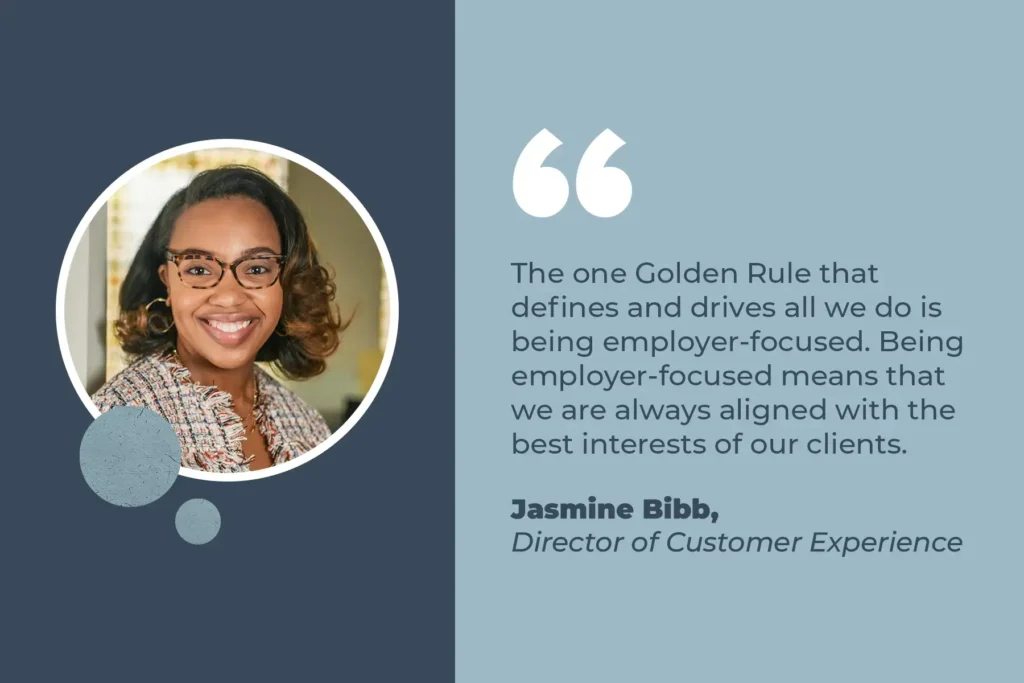
Customer experience at Roundstone is anchored in responsive service, proactive claims navigation, and the team that supports employers through every