
Funding Strategies

Saving Costs When Fighting Cancer
Cancer treatment is one of the largest claim categories in any health plan. Self-funded employers can use steerage, centers of excellence, and case management to save.

Cancer treatment is one of the largest claim categories in any health plan. Self-funded employers can use steerage, centers of excellence, and case management to save.

Late-stage cancer diagnoses are among the most expensive claims employers face. Here’s how early detection and plan design lower the long-term cost.

Association health plans give small employers a path to group purchasing power. Here’s how they work and when self-funded captives offer a better fit.

High-cost specialty drugs are reshaping employer pharmacy spend. Here are the ways self-funded employers save without restricting clinical access for employees.

Prescription drug spend is projected to rise 7.3% annually. Here’s what self-funded employers should do now to manage the cost trajectory.

Self-funded programs put employers back in control of healthcare cost through claims transparency, plan design flexibility, and aligned vendor partnerships.

Self-funding comes with real challenges around cash flow, partner selection, and employee communication. Here’s how mid-market employers solve each one

Friends don’t let friends level fund. Here are ten reasons mid-market employers should skip level funding and move directly to

Roundstone’s captive solution for employee health benefits is verified by the Validation Institute for measurable cost savings and member outcomes.
Captive essentials: how self-funding inside a group captive lets mid-market employers pool risk, return surplus, and control healthcare spend over

Captive insurance still draws predictable objections from employers. Here are the top five and how to address them with data,
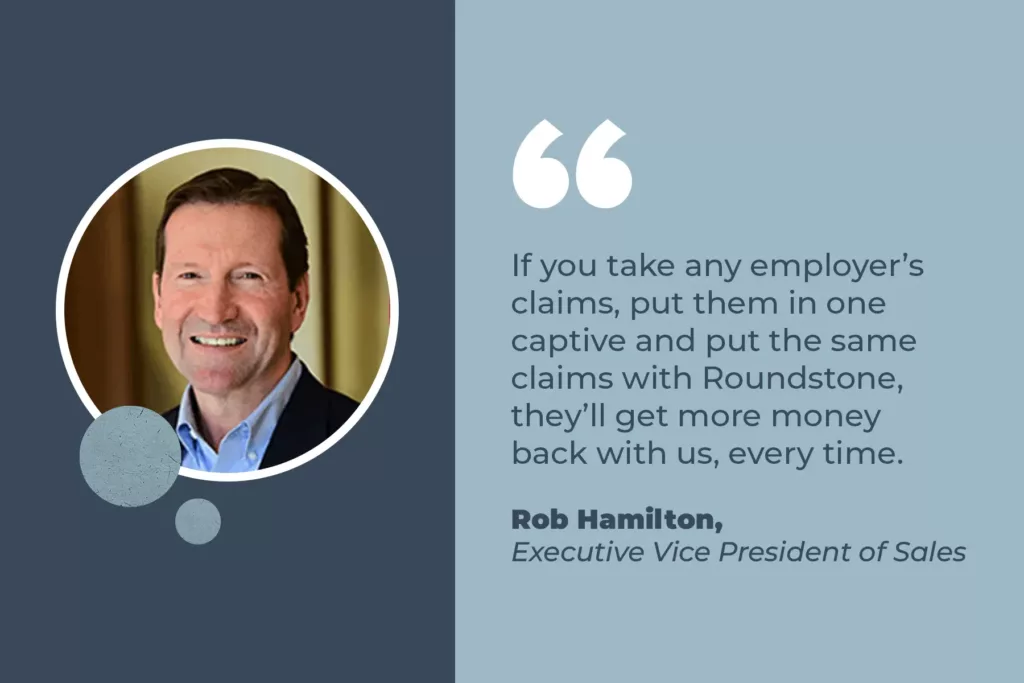
If you only know one group captive, here’s why Roundstone should be the one. Track record, structure, and alignment with

Your benefit plan document is the rulebook for every claim. Here are best practices for keeping it accurate, defensible, and

Telemedicine services have gained massive popularity for their convenience and safety. Here’s how to screen a telemedicine provider that fits

With premiums escalating, employers must start managing per-employee-per-year (PEPY) cost performance. Here’s why PEPY is the benchmark that matters.

Eligibility audits by the numbers: how often ineligible dependents quietly drive up self-funded plan spend and what employers recover when

Not all group health plans are created equal. Plan design, network choice, and partner alignment separate the plans that control

Plan documents by the numbers: what self-funded employers should look for in summary plan descriptions, stop loss policies, and TPA

Wellness programs deliver measurable ROI through reduced claims, lower absenteeism, and stronger productivity. See how self-funded employers track and prove

For most CFOs, healthcare costs now eat directly into profitability. This Roundstone leadership study shows where the spend goes and

Healthcare cost containment finds waste, removes it, and keeps outcomes intact. Self-funded plans give you the claims data to do

Self-funding gives you the control, claims visibility, and flexibility to attack the cost drivers that fully insured plans actively hide

Effective cost containment starts with claims data, clinical care management, pharmacy optimization, and direct primary care partnerships working as one

Real healthcare cost savings come from claims transparency, smart vendor choices, and proactive clinical management. Self-funding makes all three possible.

If renewal season has you bracing for a double-digit increase, it’s time to look at self-funding. Here’s how the model

Renewal season is the moment benefit advisors prove their value. Here’s how to prepare with claims data, scenario modeling, and

Strategic incentives, education, and communication can increase wellness program engagement by 40-60%. Here’s how self-funded employers design programs that actually

Employee healthcare is the largest controllable line item on most P&Ls. Self-funded plans give you the data to manage spend

The best health insurance for employees isn’t always the lowest sticker price. Self-funding aligns cost, coverage, and care for long-term

Culturally competent healthcare improves outcomes and reduces preventable claims. Self-funded employers can choose vendors and programs that actually serve their

Five recommended reads on workplace wellness, from behavioral health to chronic disease management, for HR leaders building healthier, more engaged
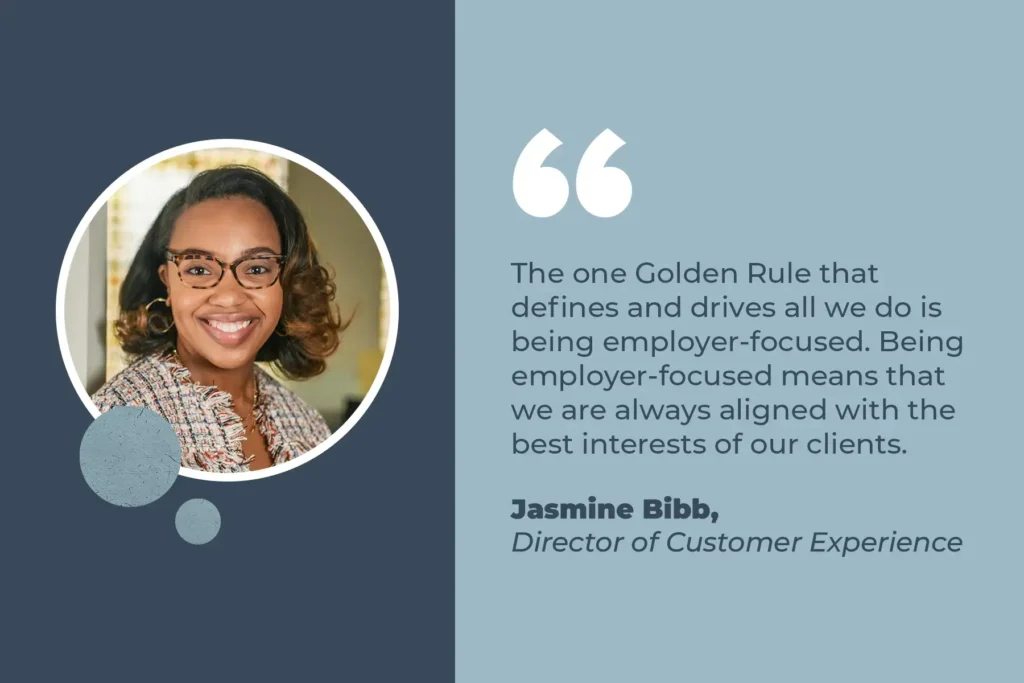
Customer experience at Roundstone is anchored in responsive service, proactive claims navigation, and the team that supports employers through every