Maternal Health
Maternal health is one of the highest-cost claim categories and one of the most preventable. Self-funded plans can invest in better outcomes directly.
Explore our blog resources to help employers and advisors understand the value of captive insurance.

Maternal health is one of the highest-cost claim categories and one of the most preventable. Self-funded plans can invest in better outcomes directly.

A group captive lets like-sized employers share risk, return surplus, and access claims transparency that fully insured plans never provide. Here’s how it works.

The future of self-funded stop loss captives points to deeper claims data, integrated clinical care, and pharmacy strategy stacked under one captive structure.

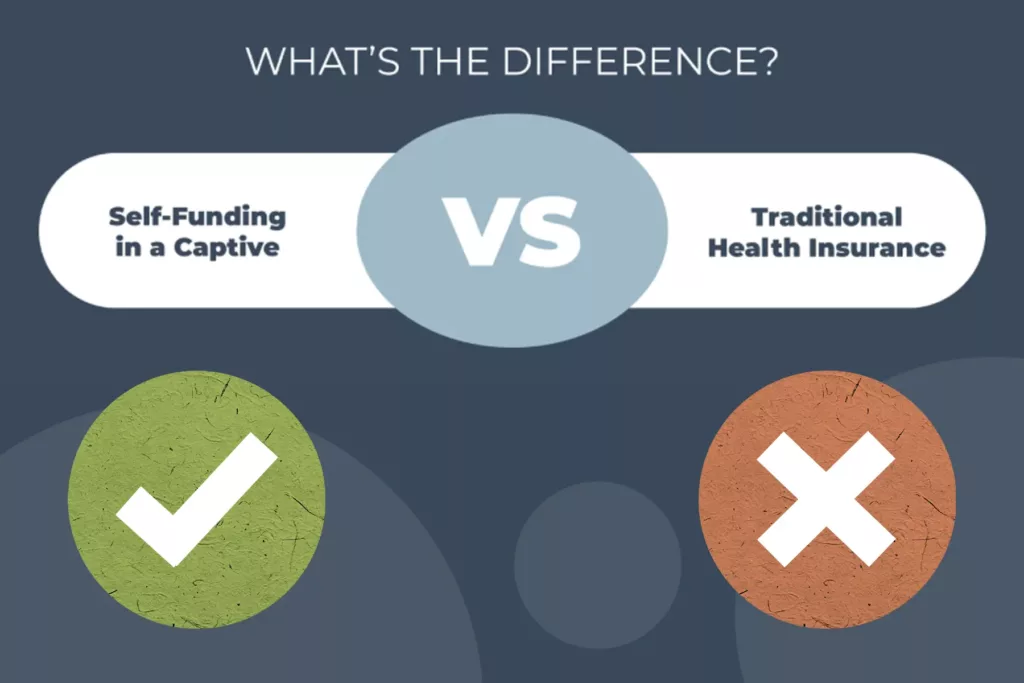
Self-funded captive plans and level funded insurance both promise predictability. Only one returns surplus and gives you the claims transparency to act on data.

Roundstone announced MCF 2024 in New Orleans on May 1-2, gathering employers and advisors to share self-funded strategies that lower healthcare costs.

Group stop loss captives let employers self-fund while sharing catastrophic claim risk across a like-sized pool, returning unused premium back to the group.

What would Tom Cruise do? Choose Mission Possible. Here’s how the benefits of self-insurance let employers take impossible-feeling cost containment

What is self-funded health insurance? A model where the employer pays claims directly, captures savings when employees stay healthy, and

The essential guide to self-funding HR executives have been asking for, covering plan design, partners, employee communication, and what changes

Healthcare concierge services help employees navigate care, reducing claims spend while improving the employee experience inside any self-funded health plan.

The benefits of self-funded health insurance: claims transparency, vendor flexibility, surplus return, and protection against the volatility of fully insured

Employers deserve more health insurance options than the renewal letter their carrier sends. Benefits advisors who lead with self-funding open
Self-funding means an employer pays for their employees’ healthcare claims directly instead of paying fixed premiums to an insurance carrier.
A medical group captive is a self-funded model where small and mid-sized employers join together to access financial advantages, share risk and gain greater stability.
Stop-loss insurance protects self-funded employers from large or unexpected claims. It caps financial risk so one high-cost event doesn’t significantly impact your overall healthcare spend.
Health insurance costs rise due to increasing healthcare prices, higher utilization, and lack of transparency in traditional models. Learn how self- funding through a captive can help offset these trends.
Cost containment includes strategies that reduce unnecessary healthcare spending while maintaining quality care. Read how tactics like claims analysis, preventative care, and pharmacy cost management can reduce spend.
Join us live or watch pre-recorded discussions, expert panels, and educational sessions designed for employers and advisors.
Hear candid conversations and real-world insights from industry experts shaping the future of healthcare funding.
Explore in-depth guides covering captive insurance, healthcare costs, and strategies for long-term savings.
Stay informed with monthly insights on captive insurance, cost control, and smarter benefit strategies.
"*" indicates required fields