Funding Basics

Disadvantages Of Level Funding
Level funding looks like self-funding from a distance but lacks claims transparency, vendor flexibility, and surplus return. Here are ten reasons to avoid it.

Level funding looks like self-funding from a distance but lacks claims transparency, vendor flexibility, and surplus return. Here are ten reasons to avoid it.
Roundstone distributed $12.4 million back to group captive participants, returning unused premium directly to employers in line with the captive’s risk-sharing model.

Prescription drug prices are the fastest-growing cost in employer benefits. Self-funded plans give you the visibility and tools to bend the curve.

Group captives let employers share risk, return unused premium, and gain claims transparency. Here’s how that structure translates into real cost savings.

Group captive insurance was built as a structural alternative to fully insured health plans. Here’s how it gives mid-market employers real cost control.
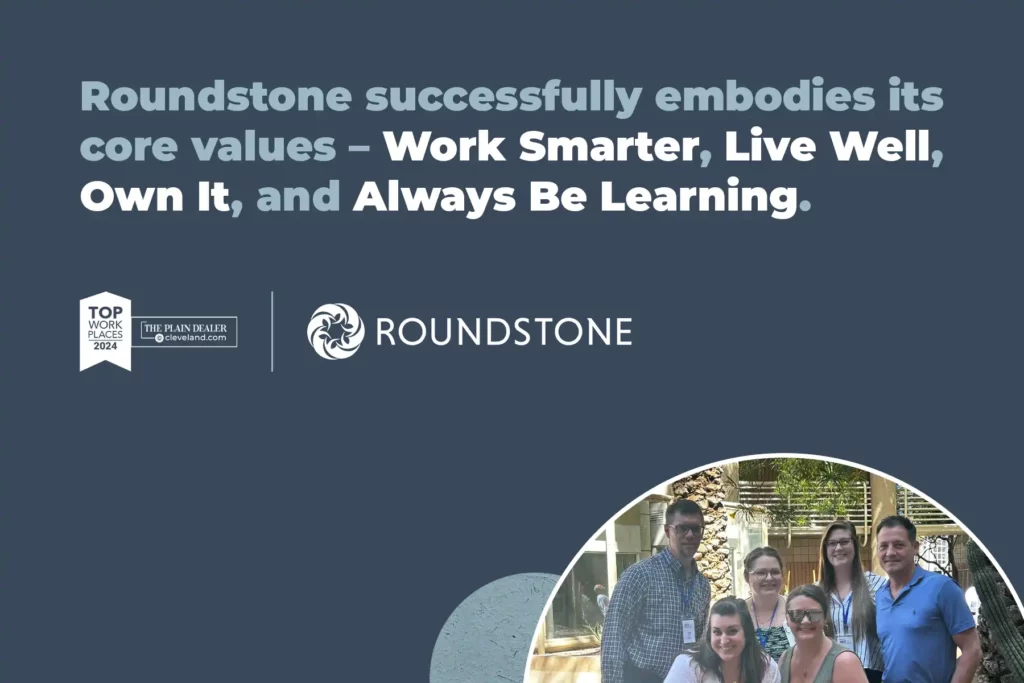
Roundstone won a 2024 Northeast Ohio Top Workplaces Award, recognized for employee experience, culture, and how the team supports captive members.

Stop-loss insurance protects self-funded employers from catastrophic claims by pooling risk with similarly sized businesses through a group captive plan.

Twenty percent of employees drive eighty percent of healthcare costs. Self-funded plans give you the data to manage chronic conditions

Self-funded health insurance lets employers pay claims directly, capture savings when employees stay healthy, and see exactly where every dollar

Specialty drugs are the fastest-growing line item in employee benefits. A self-funded plan gives you the visibility and levers to

Budgeting a self-funded health plan means understanding fixed and variable costs. Here’s how to plan spend and unlock savings through

A group captive lets like-sized employers pool risk, share data, and capture savings together. It’s the structural alternative to fully

Hidden fees in employee benefits plans quietly bleed your budget. Here are the top five charges to identify and renegotiate

Telehealth coverage inspires trust because it removes friction from accessing care. Self-funded plans can prioritize and price telehealth on their

Aligning incentives between employer, employees, and providers is the foundation of a healthier, cost-effective benefits plan. Here’s how to design

Is your healthcare benefits plan sustainable? Year-over-year cost increases say otherwise. Self-funded plans give employers the levers to bend the

A group captive insurance plan involves the employer, TPA, PBM, stop loss carrier, and advisor. Here’s the who’s who and

Q&A with Roundstone founder Mike Schroeder on cost-saving measures employers can use right now to take control of their health

Cost containment in healthcare is the practice of cutting waste, not coverage. Self-funded plans give employers the data and tools
Rising health insurance costs are driven by medical inflation, prescription drug spend, and chronic disease. Self-funding gives employers the tools

Cost containment in healthcare is the discipline of cutting waste without cutting care. Self-funded employers have the data and levers

Emerging trends in prescription costs, GLP-1s, specialty biologics, and PBM consolidation, are reshaping how self-funded employers budget for pharmacy spend.

Hospital costs are the biggest driver of healthcare spend. Here’s why prices keep climbing and how self-funded employers fight back

Cost-effective healthcare for employers comes from claims transparency, vendor flexibility, and partner alignment, not just lower premium prices at renewal.

If renewal season has you bracing for a double-digit increase, it’s time to look at self-funding. Here’s how the model

Renewal season is the moment benefit advisors prove their value. Here’s how to prepare with claims data, scenario modeling, and

Strategic incentives, education, and communication can increase wellness program engagement by 40-60%. Here’s how self-funded employers design programs that actually

Employee healthcare is the largest controllable line item on most P&Ls. Self-funded plans give you the data to manage spend

The best health insurance for employees isn’t always the lowest sticker price. Self-funding aligns cost, coverage, and care for long-term

Culturally competent healthcare improves outcomes and reduces preventable claims. Self-funded employers can choose vendors and programs that actually serve their

Five recommended reads on workplace wellness, from behavioral health to chronic disease management, for HR leaders building healthier, more engaged
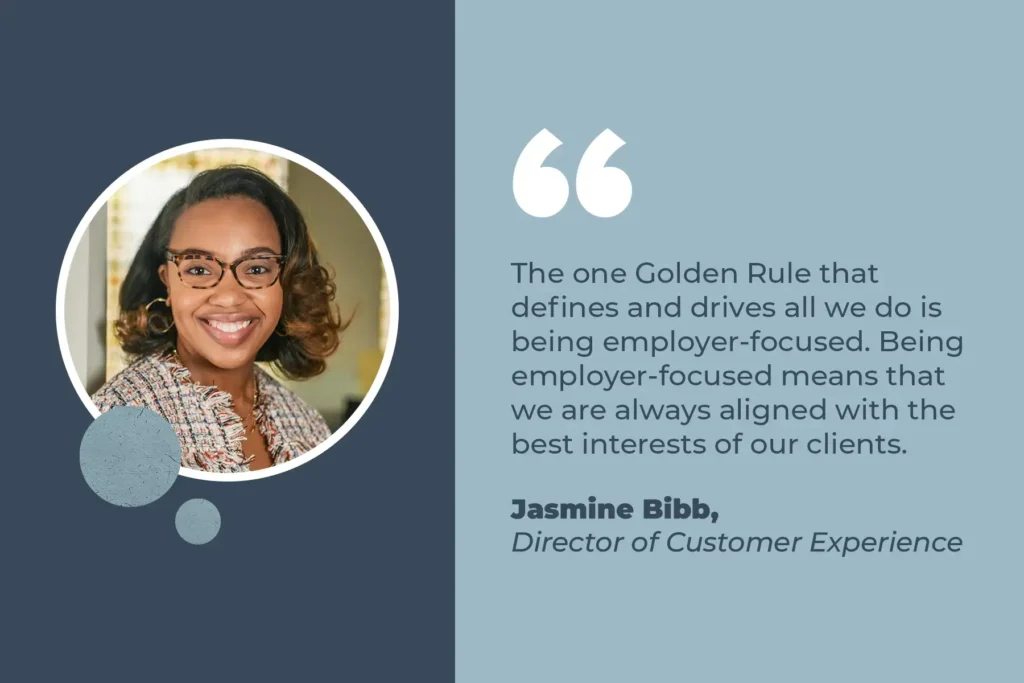
Customer experience at Roundstone is anchored in responsive service, proactive claims navigation, and the team that supports employers through every