Funding Basics

4 Ways For Companies To Lower Their Health Benefit Spend In The New Year
Four practical ways companies can lower their health benefit spend in the new year, from claims audits to vendor reviews and self-funded plan design.

Four practical ways companies can lower their health benefit spend in the new year, from claims audits to vendor reviews and self-funded plan design.

Cultivating a culture of healthcare consumerism takes employee education, transparent tools, and steady communication. Here’s how to engage your team.

You don’t always get what you pay for in healthcare. Bob Chrobak shows how higher cost doesn’t always mean better quality, and what employers should do.

To maximize the value of Roundstone’s medical stop loss captive, we provide employers with an integrated analytics platform for true claims transparency.

Roundstone University just finished its first quarter, an eLearning platform built for advisors to learn more about Roundstone and captive insurance.

Eligibility audits by the numbers: how often ineligible dependents quietly drive up self-funded plan spend and what employers recover when they audit annually.

Stop-loss insurance protects self-funded employers from catastrophic claims by pooling risk with similarly sized businesses through a group captive plan.

Twenty percent of employees drive eighty percent of healthcare costs. Self-funded plans give you the data to manage chronic conditions

Self-funded health insurance lets employers pay claims directly, capture savings when employees stay healthy, and see exactly where every dollar

Specialty drugs are the fastest-growing line item in employee benefits. A self-funded plan gives you the visibility and levers to

Budgeting a self-funded health plan means understanding fixed and variable costs. Here’s how to plan spend and unlock savings through

A group captive lets like-sized employers pool risk, share data, and capture savings together. It’s the structural alternative to fully

Hidden fees in employee benefits plans quietly bleed your budget. Here are the top five charges to identify and renegotiate

Telehealth coverage inspires trust because it removes friction from accessing care. Self-funded plans can prioritize and price telehealth on their

Aligning incentives between employer, employees, and providers is the foundation of a healthier, cost-effective benefits plan. Here’s how to design

Is your healthcare benefits plan sustainable? Year-over-year cost increases say otherwise. Self-funded plans give employers the levers to bend the

A group captive insurance plan involves the employer, TPA, PBM, stop loss carrier, and advisor. Here’s the who’s who and

Q&A with Roundstone founder Mike Schroeder on cost-saving measures employers can use right now to take control of their health

Rising employee benefit costs threaten your bottom line. Measuring claims and healthcare data shows where your highest spend lives and

Lowering cost sharing in your health plan can reduce overall employee healthcare costs while improving access to higher-quality care. Here’s

Clinical care management lowers healthcare costs by guiding employees through complex care, catching issues early, and steering them to higher-quality

Catastrophic diagnoses can blow up a self-funded plan budget. Here are cost containment strategies, from centers of excellence to case

Managing health insurance costs takes more than annual renewals. Self-funded employers use claims data, vendor strategy, and care management every

Captives do it better on data transparency. Members get full claims visibility, not the aggregated, sanitized data fully insured carriers

If renewal season has you bracing for a double-digit increase, it’s time to look at self-funding. Here’s how the model

Renewal season is the moment benefit advisors prove their value. Here’s how to prepare with claims data, scenario modeling, and

Strategic incentives, education, and communication can increase wellness program engagement by 40-60%. Here’s how self-funded employers design programs that actually

Employee healthcare is the largest controllable line item on most P&Ls. Self-funded plans give you the data to manage spend

The best health insurance for employees isn’t always the lowest sticker price. Self-funding aligns cost, coverage, and care for long-term

Culturally competent healthcare improves outcomes and reduces preventable claims. Self-funded employers can choose vendors and programs that actually serve their

Five recommended reads on workplace wellness, from behavioral health to chronic disease management, for HR leaders building healthier, more engaged
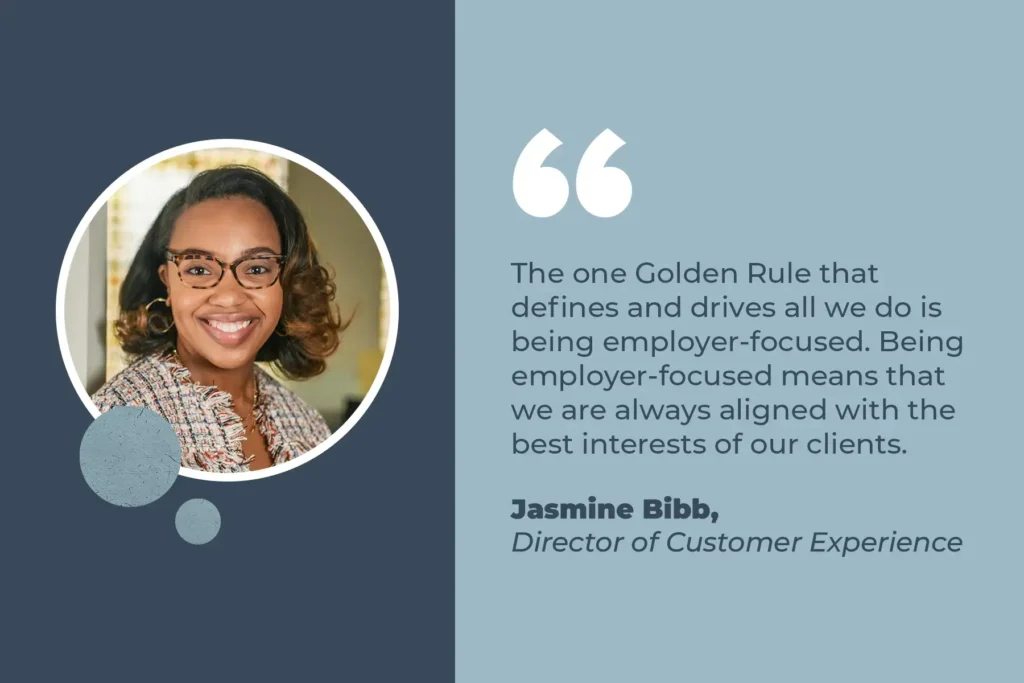
Customer experience at Roundstone is anchored in responsive service, proactive claims navigation, and the team that supports employers through every