
Funding Strategies

Saving Costs When Fighting Cancer
Cancer treatment is one of the largest claim categories in any health plan. Self-funded employers can use steerage, centers of excellence, and case management to save.

Cancer treatment is one of the largest claim categories in any health plan. Self-funded employers can use steerage, centers of excellence, and case management to save.

Late-stage cancer diagnoses are among the most expensive claims employers face. Here’s how early detection and plan design lower the long-term cost.

Association health plans give small employers a path to group purchasing power. Here’s how they work and when self-funded captives offer a better fit.

High-cost specialty drugs are reshaping employer pharmacy spend. Here are the ways self-funded employers save without restricting clinical access for employees.

Prescription drug spend is projected to rise 7.3% annually. Here’s what self-funded employers should do now to manage the cost trajectory.

Self-funded programs put employers back in control of healthcare cost through claims transparency, plan design flexibility, and aligned vendor partnerships.

A group captive self-funded plan lets you customize coverage, contracts, and vendors. Here’s how to design yours to cut costs

Direct primary care gives employees unlimited access to a primary doctor for a flat fee, cutting ER visits and lowering

With Roundstone’s self-funded health insurance, you’re not shopping a fixed product. You’re designing a plan around your workforce, claims data,

Higher deductibles shift cost to employees and often backfire on engagement and retention. Self-funding offers a smarter path to controlling

GLP-1 medications are reshaping employer drug spend. Here’s what self-funded employers should know about coverage, eligibility, and managing the cost

More employers are choosing self-funded insurance to take control of healthcare spend. A group captive makes the model accessible even

Provider network choice shapes employee care, plan costs, and out-of-pocket spend. Here’s how self-funded employers pick the right one.

Pharmacy costs are rising faster than any line item in your health plan. Here’s how to choose a PBM that

Per-employee-per-year (PEPY) cost is the truest benchmark for whether your health plan is competitive. Here’s how to use it to

Your pharmacy benefit manager makes or breaks drug spend. Here’s how self-funded employers choose a PBM aligned with their interests,

A third-party administrator (TPA) is the backbone of any self-funded plan. Here’s how a TPA processes claims, manages eligibility, and

Finding the right TPA shapes claims accuracy, employee experience, and total spend. Here are 8 secrets self-funded employers use to

Cost containment in healthcare is the practice of cutting waste, not coverage. Self-funded plans give employers the data and tools
Rising health insurance costs are driven by medical inflation, prescription drug spend, and chronic disease. Self-funding gives employers the tools

Cost containment in healthcare is the discipline of cutting waste without cutting care. Self-funded employers have the data and levers

Emerging trends in prescription costs, GLP-1s, specialty biologics, and PBM consolidation, are reshaping how self-funded employers budget for pharmacy spend.

Hospital costs are the biggest driver of healthcare spend. Here’s why prices keep climbing and how self-funded employers fight back

Cost-effective healthcare for employers comes from claims transparency, vendor flexibility, and partner alignment, not just lower premium prices at renewal.

If renewal season has you bracing for a double-digit increase, it’s time to look at self-funding. Here’s how the model

Renewal season is the moment benefit advisors prove their value. Here’s how to prepare with claims data, scenario modeling, and

Strategic incentives, education, and communication can increase wellness program engagement by 40-60%. Here’s how self-funded employers design programs that actually

Employee healthcare is the largest controllable line item on most P&Ls. Self-funded plans give you the data to manage spend

The best health insurance for employees isn’t always the lowest sticker price. Self-funding aligns cost, coverage, and care for long-term

Culturally competent healthcare improves outcomes and reduces preventable claims. Self-funded employers can choose vendors and programs that actually serve their

Five recommended reads on workplace wellness, from behavioral health to chronic disease management, for HR leaders building healthier, more engaged
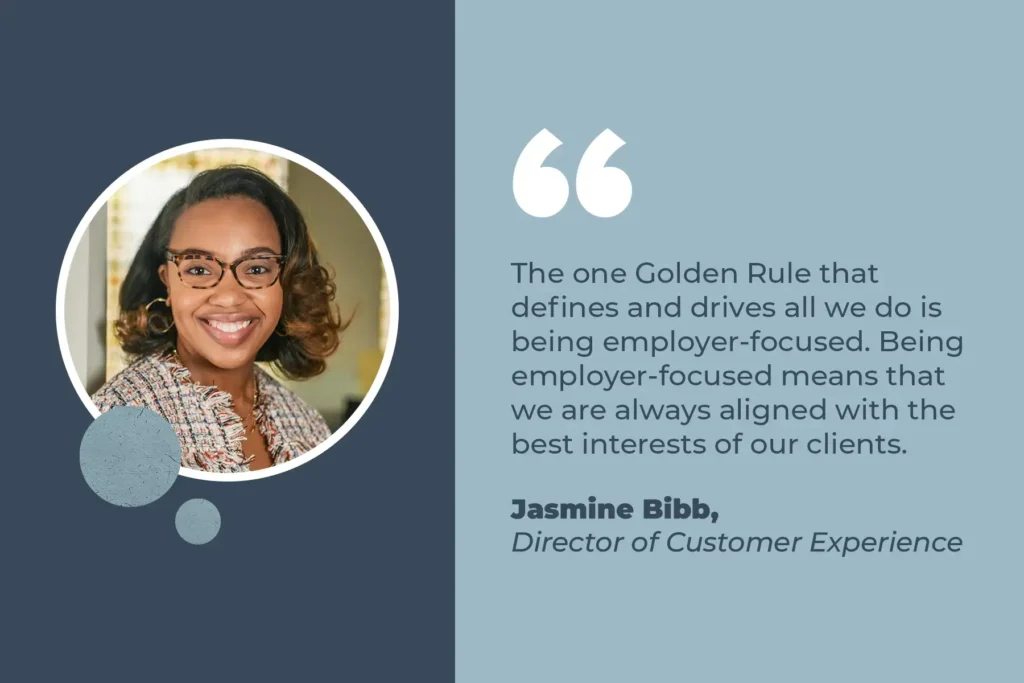
Customer experience at Roundstone is anchored in responsive service, proactive claims navigation, and the team that supports employers through every